
How to Engineer a Large Outdoor Sculpture for Wind, Weather and Long-Term Durability
PUBLIC ART FABRICATION / LARGE-SCALE SCULPTURE MANUFACTURING
10/30/202613 min read
How to Engineer a Large Outdoor Sculpture for Wind, Weather and Long-Term Durability


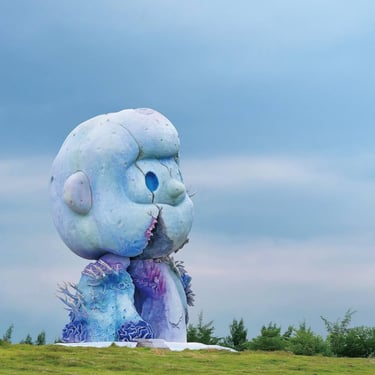
Large outdoor sculptures can transform public spaces, commercial developments, cultural destinations and architectural environments. From monumental character installations to abstract public artworks, these structures create distinctive landmarks, attract visitors and establish memorable visual identities.
However, an outdoor sculpture must do more than look impressive. Unlike an installation in a controlled indoor environment, it is continuously exposed to wind, rain, sunlight, temperature changes, moisture and other site-specific conditions. Its size, shape, materials, support structure and installation method all influence its performance over time.
A sculpture that appears stable in a factory may face very different conditions once installed in an exposed plaza, coastal development, rooftop or open public space. Large surface areas can create substantial wind forces, while poorly designed joints, inadequate drainage or unsuitable finishes may lead to premature deterioration.
Successful outdoor sculpture fabrication therefore requires a coordinated approach to artistic design, structural engineering, material selection, surface protection, manufacturing quality and on-site installation.
For developers, architects, artists and brands planning a large outdoor installation, understanding these factors helps reduce technical risks and protect the long-term value of the project. Working with an experienced outdoor sculpture fabrication company can help bring creative concepts into the real world while accounting for the environmental and engineering demands of the site.
1. Start with the Site: Understanding Environmental Conditions
Before selecting materials or finalizing a sculpture's structure, the project team needs to understand where the sculpture will be installed and what conditions it must withstand.
Environmental requirements vary significantly from one location to another. A sculpture in a sheltered urban courtyard may face different challenges from one positioned beside the sea, on an exposed waterfront, in a mountainous region or on an open rooftop.
Wind Exposure and Surrounding Buildings
Wind is one of the most important factors in the structural design of large outdoor sculptures. The forces acting on a sculpture depend on factors such as local wind conditions, installation height, surrounding terrain, exposure, shape and projected surface area.
A tall, narrow sculpture may respond differently to wind from a broad, flat installation. Sculptures with large wings, extended limbs, thin projections or open geometric forms may also require particular attention to wind pressure, vibration and local stress concentrations.
The surrounding environment matters as well. Nearby buildings, roof edges and open corridors can influence local airflow. A site assessment should therefore consider the actual installation location rather than relying on the sculpture's dimensions alone.
Rainfall, Humidity and Water Exposure
Rain and humidity can affect both the sculpture's outer finish and its internal structure. Water entering hollow sections, collecting around joints or remaining trapped inside a base can accelerate corrosion or damage certain materials.
In climates with heavy rainfall, drainage paths and water-shedding surfaces should be considered during design. Coastal locations may introduce salt spray, while areas with persistent humidity can increase the risk of moisture-related deterioration.
Sunlight and Temperature Changes
Ultraviolet radiation can cause some coatings, paints and polymers to fade, discolor or degrade. Repeated temperature changes can also create expansion and contraction within materials and connections.
These effects become particularly relevant when a sculpture combines materials with different thermal expansion characteristics or uses multiple layers of coating and substrate.
The key principle is to design for the actual site, not for an abstract outdoor environment. Site conditions should inform the engineering brief, material specifications, finishing system, foundation design and maintenance plan from the beginning.


2. Structural Engineering: Designing for Wind Loads and Stability
A large outdoor sculpture is both an artistic object and a physical structure. Its engineering must account for the forces acting on it and the way those forces travel through the sculpture into its support system and foundation.
Calculating Wind Loads
Wind load assessment should be undertaken by a qualified structural engineer using the applicable local building codes, site parameters and project requirements. There is no single wind-load value that can be safely applied to every sculpture.
The assessment may consider:
Local design wind speed and relevant code requirements.
Installation height, terrain and exposure category.
Overall dimensions, projected area and aerodynamic shape.
Wind direction and potential changes in pressure around the form.
Dynamic effects, vibration and the behavior of flexible components.
The strength and stiffness of the sculpture's internal structure and connections.
For complex, unusually tall or highly exposed installations, additional engineering analysis may be necessary. The appropriate method depends on the sculpture's geometry, scale, risk level and project conditions.
Internal Frames and Load Transfer
Many large sculptures require an internal support structure to maintain their form and transfer external forces safely. Depending on the design, this may involve steel framing, reinforced internal members, engineered connection points or a combination of structural systems.
The internal frame must be coordinated with the sculpture's outer shell. It should provide the required stiffness and support without compromising the intended silhouette, surface quality or installation method.
Engineers also need to understand how loads move through the complete assembly. Forces acting on the outer surface are transferred through attachments and structural members to the base, anchors and foundation. Weakness at any point in this load path can undermine the performance of the entire installation.
Connections deserve particular attention because they often experience concentrated forces. Welds, bolted joints, brackets and transitions between different materials should be designed and inspected according to the relevant engineering specifications.
Stability, Deflection and Vibration
Structural safety is not only about preventing collapse. Excessive movement, vibration or deflection can damage finishes, loosen connections and create concerns for visitors or property managers.
Slender forms, cantilevered elements and sculptures with extended projections may need additional stiffness or carefully designed support points. At the same time, engineering solutions should preserve the intended visual expression.
For large or unusual structures, the design team should evaluate whether detailed structural calculations, finite element analysis or specialist wind studies are appropriate. These methods support informed design decisions, but the required level of analysis must be determined by the project engineer.
3. Foundation and Anchoring: Connecting the Sculpture to the Site
Even a well-designed sculpture can become unsafe if its foundation and anchoring system are inadequate.
The foundation transfers structural forces into the ground or supporting building structure. Its design depends on the sculpture's geometry, weight, wind loads, overturning forces, ground conditions and installation environment.
Foundation Design and Ground Conditions
A sculpture installed on a public plaza may require a different foundation from one mounted on a rooftop or existing concrete slab. The available bearing capacity, underground utilities, drainage conditions and surrounding construction all affect what can be built.
Where required, geotechnical information and a review of the existing structure should inform the foundation design. For rooftop installations, the project team must also verify the capacity of the supporting building and coordinate with the relevant structural professionals.
Anchors, Base Plates and Connections
Anchor bolts, base plates and embedded components need to be coordinated with the structural design and construction sequence. Their positions must be accurate enough to support safe installation and proper alignment.
For sculptures manufactured in modules, connection details should be developed before production so that factory-built components can be assembled reliably on site.
Installation drawings should identify key dimensions, connection locations, lifting requirements and any necessary site preparations. This reduces the risk of unexpected modifications during installation.
Foundation and anchoring decisions should be made during the design and engineering stage, not left until the sculpture reaches the site. Early coordination helps avoid costly rework and ensures that the installation strategy supports the complete structural system.
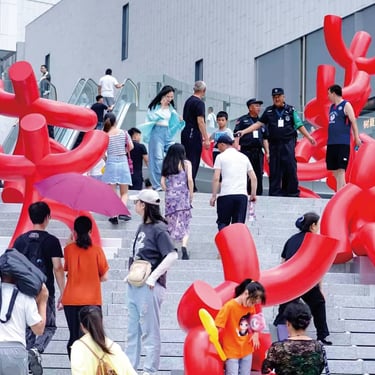


4. Choosing Materials for Outdoor Performance
Material selection influences a sculpture's weight, appearance, structural behavior, fabrication method, maintenance requirements and expected service life. The best solution depends on the design intent and environmental conditions rather than on a single material being universally superior.
Fiberglass for Complex Forms and Painted Finishes
Fiberglass, commonly used as a form of fiber-reinforced plastic (FRP), is well suited to complex organic shapes, character sculptures and large decorative forms. It can reproduce detailed contours and support a wide range of painted finishes.
Its relatively low weight compared with many solid metal constructions can help with transportation and handling. However, a large fiberglass sculpture may still require an engineered internal frame, suitable anchoring and a weather-resistant coating system.
Outdoor performance depends on the resin system, laminate design, surface finish, fabrication quality and exposure conditions. UV protection, water management and inspection of joints are important parts of the overall design.
Fiberglass should not be treated as a substitute for structural engineering. The shell, supporting structure and connections must be designed together according to the sculpture's scale and intended use.
Stainless Steel for Metallic Expression and Structural Applications
Stainless steel is often selected for sculptures that require a metallic appearance, a polished surface or a contemporary architectural character. Depending on the grade, fabrication method and environmental exposure, it can offer strong corrosion resistance.
However, stainless steel is not completely immune to corrosion. Coastal environments, airborne contaminants, chemical exposure and unsuitable surface treatments can affect its performance. The grade and finish should therefore be selected according to the actual site conditions.
Large stainless steel sculptures also require careful planning for plate thickness, internal reinforcement, weld quality, connection details and surface finishing. Polished or mirror finishes may demand additional protection during transportation and installation to prevent scratches and visible defects.
Carbon Steel, Aluminum and Mixed-Material Systems
Carbon steel may be appropriate for internal frames or selected structural elements, but exposed steel generally requires a suitable protective coating system and a maintenance plan.
Aluminum can be useful where weight reduction is important, although its strength, connection design and compatibility with other materials must be evaluated carefully.
Many outdoor sculptures use mixed-material systems. For example, a fiberglass outer shell may be supported by a steel frame, while metal details create a contrasting finish. Such combinations require attention to differential thermal expansion, moisture traps, galvanic corrosion where dissimilar metals meet, and the durability of interfaces between materials.
For a broader comparison of fiberglass and stainless steel, see DEFARA's related article, Fiberglass vs Stainless Steel Sculpture: Which Material Should You Choose?
5. Weatherproofing and Corrosion Protection
Material selection is only one part of long-term durability. The finishing system and detailing determine how effectively the sculpture resists moisture, sunlight, contaminants and repeated environmental exposure.
UV-Resistant Coatings and Paint Systems
Outdoor coatings should be selected for the substrate, desired appearance and exposure conditions. Depending on the project, the specification may include appropriate primers, intermediate layers and a compatible exterior topcoat.
Color stability, gloss retention, adhesion and resistance to weathering should be considered during product selection. A bright character sculpture, for example, may require careful color matching and a coating system designed to retain its appearance under sunlight.
Where the visual result is particularly important, the project team should approve finish samples before full production. This helps establish the intended color, texture, sheen and surface quality.
Drainage, Sealing and Moisture Management
Good detailing helps prevent water from entering or becoming trapped within the sculpture. Depending on the design, this may involve sloped surfaces, sealed joints, drainage openings, protected interfaces and access points for inspection.
Not every hollow sculpture should be completely sealed without considering pressure, condensation and drainage. The appropriate solution depends on the material system, internal configuration and environmental conditions.
Designers and fabricators should also consider how water behaves around the base and where the sculpture meets the ground. Persistent moisture at these interfaces can create long-term maintenance problems.
Preventing Corrosion at Joints and Interfaces
Corrosion protection must address more than the most visible surfaces. Welds, cut edges, fasteners, concealed steel members and connections between dissimilar metals may require specific treatment.
The finishing and assembly sequence should protect vulnerable areas without compromising the structural connections. Where coatings may be damaged during installation, repair procedures should be included in the project plan.
A durable sculpture is the result of coordinated engineering, appropriate materials, reliable fabrication and well-designed protection—not simply a final coat of paint.


6. Manufacturing Quality: Turning Engineering Intent into a Reliable Sculpture
Even a well-developed design can underperform if manufacturing quality does not match the engineering requirements. Structural details, material specifications and finishing standards must be translated into clear production instructions and verified during fabrication.
Engineering Coordination Before Production
Before manufacturing begins, the project team should align the approved 3D model, structural drawings, material specifications, internal support system, assembly details and finishing requirements.
This coordination is especially important for sculptures with complex geometry or multiple components. Design changes made after tooling or structural fabrication has started can affect fit, cost, lead time and performance.
Quality Control During Fabrication
Quality checks should be appropriate to the materials and construction method. They may include dimensional verification, inspection of welds and connections, review of laminate quality, confirmation of material specifications and examination of surface preparation.
For painted or coated sculptures, finish inspections should assess color, gloss, adhesion where specified, and visible defects. Structural components should be checked against approved drawings before they are concealed by the outer shell or finish.
Trial Assembly and Modular Construction
Very large outdoor sculptures may need to be divided into transportable sections. Modular construction can make fabrication, shipping and installation more manageable, but the joints between modules must be engineered to transfer the required forces and maintain the intended appearance.
A trial assembly at the factory can help verify alignment, connection access, component fit and installation sequence. It can also identify issues that would be more difficult to resolve at the final site.
The factory process should be coordinated with the site installation plan so that the sculpture can be assembled, anchored, inspected and finished safely.
7. Installation Planning for Real-World Conditions
The installation stage connects the engineered sculpture to its permanent environment. It requires coordination between the fabrication team, structural engineer, site contractor, lifting specialists and project management team.
Before installation, the team should verify that the foundation is ready, anchor positions are correct, lifting equipment is suitable and access routes can accommodate the components.
Large or heavy modules may require cranes, lifting frames or other specialized equipment. Lifting points and temporary support conditions should be considered in advance, as a component may experience different forces during lifting than it does in its final position.
The installation plan should also address site access, exclusion zones, public safety, weather limitations and the sequence for connecting modules. After assembly, the team should inspect the anchors, structural connections, alignment and visible finish, and confirm that any required protective treatments have been completed.
Where the project requires formal engineering sign-off, inspections or local permits, these responsibilities should be defined before work begins.
For overseas projects, installation drawings, packing plans, lifting instructions and clear communication with local contractors become particularly important. The sculpture must be designed not only to stand securely in its final location but also to be transported and assembled safely.


8. Long-Term Maintenance: Protecting the Sculpture After Installation
Outdoor sculpture durability does not end when installation is complete. A practical maintenance plan helps identify early signs of deterioration and protects both the sculpture and its surrounding environment.
Maintenance requirements vary according to material, coating system, location, exposure and public use. A sculpture beside the sea, for example, may require more frequent cleaning and inspection than one in a sheltered location.
A maintenance plan should consider the following:
Routine visual inspections: Check for cracks, surface changes, loose components, unusual movement or damage caused by impact.
Connection and anchor inspections: Examine accessible bolts, joints and base connections according to the engineer's recommendations.
Surface and coating care: Clean surfaces using methods compatible with the material and finish. Inspect for fading, peeling, scratches or coating damage.
Water management: Keep drainage paths clear and investigate areas where water repeatedly collects.
Corrosion monitoring: Pay attention to exposed metal, welds, fasteners and interfaces between different materials.
Repair and documentation: Record inspections, maintenance work and any changes to the sculpture's condition to support future decisions.
The inspection frequency should be based on the project specification, local conditions, the sculpture's importance and the consequences of structural failure. High-exposure or high-consequence installations may require a more formal inspection program developed with qualified professionals.
Planning for maintenance at the beginning can also influence design decisions. Accessible connections, replaceable components, repairable coatings and well-considered drainage can make long-term care more practical.
9. How to Choose an Outdoor Sculpture Fabrication Company
For a large outdoor sculpture, the fabrication partner must understand more than artistic production. The project may require collaboration across design, structural engineering, material science, manufacturing, finishing, logistics and site installation.
When evaluating an outdoor sculpture fabrication company, consider whether it can:
Interpret the artistic or brand concept while identifying engineering constraints early.
Coordinate with qualified structural engineers and relevant local professionals.
Recommend materials and finishes based on the actual environment.
Develop internal structures, connections and modularization strategies suited to the project.
Maintain quality control throughout fabrication and finishing.
Plan transportation, lifting, trial assembly and on-site installation.
Provide clear technical documentation and practical maintenance guidance.
Ask prospective partners to explain how they manage structural coordination, material specifications, quality inspections and installation challenges. Relevant experience with large-scale sculptures, complex character forms, public art or commercial landmarks can be useful, but each project still requires engineering decisions tailored to its own site and requirements.
How DEFARA Approaches Large-Scale Sculpture Fabrication
DEFARA works across custom sculpture fabrication, large-scale installations, IP character sculptures, public art and experiential environments. These projects often require artistic detail and manufacturing practicality to be considered together.
For outdoor projects, the fabrication approach should be developed around the specific design, dimensions, material system, finish, installation location and project requirements. Coordination between design development, structural detailing, fabrication, surface finishing and installation planning helps align the creative vision with the practical demands of a large physical structure.
Each project should be assessed individually, with site-specific structural requirements confirmed by the appropriate engineering professionals. This is particularly important for exposed, elevated or unusually shaped installations.
Whether a project involves a monumental character sculpture, an architectural landmark or a custom public artwork, early technical coordination helps the team identify constraints, clarify responsibilities and plan for reliable fabrication and installation.


Frequently Asked Questions
How do you make a large outdoor sculpture withstand strong winds?
Wind resistance begins with site-specific engineering. A qualified structural engineer assesses the applicable wind conditions, sculpture geometry, projected area, support system, connections and foundation. The final design must comply with the relevant local requirements and account for the complete load path from the sculpture's surface to the ground or supporting structure.
What is the best material for a large outdoor sculpture?
There is no single best material for every project. Fiberglass can suit complex shapes and painted character sculptures, while stainless steel may be appropriate for metallic finishes and selected architectural applications. Carbon steel, aluminum and mixed-material systems may also be suitable when properly designed and protected. The choice depends on the design, site exposure, structural requirements, finish and maintenance plan.
Can fiberglass sculptures be used outdoors?
Yes. Fiberglass sculptures can be used outdoors when the material system, internal support structure, surface coating, joints and drainage details are appropriate for the intended environment. UV exposure, moisture, structural loads and the expected maintenance regime should all be considered during design.
How can corrosion be prevented in outdoor metal sculptures?
Corrosion protection depends on selecting appropriate metals and grades, designing details that manage moisture, protecting exposed surfaces and treating vulnerable joints and interfaces. Coating systems, fabrication quality and regular inspections all contribute to long-term performance. Coastal or chemically aggressive environments may require more specific material and protection strategies.
Does every large outdoor sculpture need a concrete foundation?
Not necessarily. Foundation requirements depend on the sculpture's weight, geometry, wind loads, supporting surface, ground conditions and installation location. Some sculptures may be mounted to an existing engineered structure, while others require new foundations. A qualified engineer should determine the appropriate solution for the specific project.
How often should an outdoor sculpture be inspected?
Inspection frequency depends on the site's exposure, materials, structural complexity, public access and project requirements. Routine visual checks can help identify early changes, while structural inspections should follow the recommendations of the responsible engineer and any applicable regulations or maintenance specifications.
What should clients provide when requesting a quote for an outdoor sculpture?
Useful information includes concept drawings or 3D files, approximate dimensions, the intended installation location, preferred materials and finishes, expected installation date, site access information and any available structural or foundation requirements. If some information is not yet available, an experienced fabrication partner can help identify what needs to be developed during the design and engineering stage.


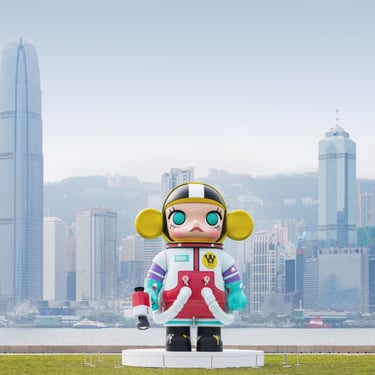

Conclusion: Engineer for the Environment, Build for the Long Term
A successful outdoor sculpture brings creative ambition together with structural reliability, environmental performance and thoughtful fabrication. Its long-term durability depends on decisions made well before installation: understanding the site, evaluating wind loads, engineering the support system, selecting suitable materials, protecting vulnerable surfaces and planning for maintenance.
For developers, artists, architects and brands, the most reliable approach is to treat engineering as an integral part of the creative process rather than a final technical check. Early coordination between the design team, structural engineer and fabrication partner helps identify risks, preserve the intended appearance and prepare the sculpture for its actual operating environment.
DEFARA supports custom sculpture and large-scale installation projects by bringing design development and fabrication considerations together. For your next outdoor landmark, public artwork or large-scale character sculpture, contact DEFARA to discuss your concept, site conditions, material requirements and fabrication needs.
Adelaide
Chengdu


DEFARA © 2026
8 TEMASEK BOULEVARD
#08-05, SUNTEC TOWER THREE
038-998 SINGAPORE
Singapore


30 PIRIE STREET
ADELAIDE 5000 SA
AUSTRALIA
1210 FU NIAN PLAZA
HIGH TECH DISTRICT CHENGDU
610000 CHINA
SUITE 703, NORTH TOWER
1-5 RAILWAY STREET
CHATSWOOD 2067
AUSTRALIA
Sydney